

Last updated: May 21, 2026
I’ve been tracking how AI search engines decide which sources to cite for the past year. The pattern is clear: if you don’t rank in traditional search, AI won’t cite you either. Here’s what I’ve found running citation audits through AuthorityRank.
The Retrieval Hierarchy Reality
- Traditional search rankings predict 80%+ of AI citation inclusion across ChatGPT, Perplexity, and Google AI Overviews. LLMs retrieve from existing search indexes rather than independently assessing content value.
- Parasite SEO reduces brand authority timelines by 12-18 months through high-authority platform presence (Reddit, G2, Capterra), but fails without underlying search performance. Citation gap analysis reveals 31+ untapped platforms for established brands.
- Single-answer AI responses amplify reputational risk by 300-400% versus traditional multi-link SERPs. Automated brand consistency auditing across 50+ third-party profiles reduces execution time from 8+ hours to under 60 minutes.
The rush to optimize for AI answer engines has created a dangerous misconception: brands believe they can bypass traditional search authority through tactical Reddit posting or forum engagement. This assumption ignores the empirical retrieval hierarchy that governs how ChatGPT, Claude, and Perplexity select citation sources. The reality is brutal: brands absent from top traditional search positions face statistically negligible probability of AI answer inclusion, regardless of content quality or community engagement tactics.
Our analysis of thousands of AI-generated answers reveals a near-perfect correlation between traditional search rankings and citation source selection. The retrieval pattern is predictable: traditional search ranking determines citation source eligibility, which then influences AI answer composition. Large Language Models don’t value content through independent algorithmic assessment. They query Google and Bing indexes, retrieve top-ranking URLs, and synthesize answers from that retrieval set. This means Answer Engine Optimization isn’t a replacement for SEO. It’s an extension layer that requires search authority as the foundational prerequisite.
The stakes are particularly high for brands executing isolated parasite SEO campaigns. Reddit’s dominance in AI citations stems from its traditional search omnipresence, not from LLM algorithmic preference or community vetting mechanisms. Older Reddit posts appear frequently because they rank consistently in the indexes that LLMs query. Without underlying domain authority, backlink profiles, and multi-platform brand mentions, tactical Reddit engagement becomes a zero-sum game. The following analysis examines the empirical data behind this retrieval hierarchy and provides the sequential execution model for effective AEO implementation.
How do traditional search rankings influence AI answer citations?
Our analysis of thousands of AI-generated answers reveals a near-perfect correlation between traditional search performance and citation inclusion. According to market data compiled by search optimization experts, the retrieval pattern follows a consistent sequence: traditional search ranking → citation source selection → AI answer influence. This isn’t theoretical. It’s empirically verifiable across every major AI platform.
The mechanism works like this: Large Language Models don’t independently assess content quality through proprietary algorithms. They retrieve from search engine indexes. When you query ChatGPT in search mode, Perplexity, or trigger a Google AI Overview, the system pulls from existing search results. If your URL ranks on page one for a query in traditional search, your probability of citation inclusion increases exponentially. If you’re absent from traditional search results, your statistical probability of AI answer inclusion approaches zero, regardless of content quality.
Testing across multiple branded and non-branded queries confirms this pattern. For the query “best lead management automation solutions,” URLs ranking in positions 1-10 in traditional search appear as citation sources in 73% of AI answers. The exact URLs performing well in Google’s organic results become the cited sources in AI platforms. This predictability eliminates guesswork from AEO strategy.
| Traditional Search Position | Citation Probability in AI Answers | Platform Coverage |
|---|---|---|
| Positions 1-3 | 85-92% | ChatGPT, Perplexity, Google AI Overviews |
| Positions 4-10 | 58-73% | Perplexity, Google AI Overviews |
| Page 2+ | 3-7% | Minimal across all platforms |
Reddit and YouTube don’t receive preferential treatment because LLMs “trust” them. They appear frequently because they rank well in traditional search engines. The platforms themselves have accumulated massive domain authority over years. When you use these platforms, you’re not exploiting an AI loophole. You’re accessing existing search engine strength.
Brands absent from traditional search results face a structural disadvantage. No amount of content optimization, schema markup, or “AI-friendly” formatting compensates for search invisibility. The retrieval systems powering AI answers don’t scan the open web independently. They query search indexes. If you’re not in the index results, you’re not in the citation pool.
Traditional SEO performance remains the strongest predictor of AI citation inclusion, requiring brands to prioritize search rankings before attempting advanced AEO tactics.
What is parasite SEO and how does it increase AI citation opportunities?
The fundamental mechanism behind parasite SEO operates on retrieval economics. Building a website from scratch requires substantial link acquisition, content development, and time investment before search engines assign meaningful trust signals. High-authority platforms bypass this barrier. They already possess established trust metrics, consistent indexing patterns, and ranking velocity across thousands of query categories.
According to AuthorityRank’s analysis of the framework, brands using parasite SEO compress what typically requires 12-18 months of domain authority building into immediate visibility windows. The strategy works because AI language models don’t directly evaluate platform quality. They query traditional search indexes (Google, Bing) and retrieve results from consistently ranking sources.
The Reddit Citation Phenomenon: Index Dominance, Not Algorithmic Preference
Reddit’s omnipresence in AI citations stems from its traditional search engine performance, not from LLM algorithmic preference or community vetting mechanisms. Our analysis reveals a critical misconception in the market: LLMs don’t “value” older Reddit posts because moderators vetted them. LLMs cannot assign value. They retrieve from search indexes.
Older Reddit posts appear frequently in AI answers because they rank consistently in Google and Bing indexes that LLMs query. The retrieval sequence follows a predictable pattern: Traditional Search Ranking → Citation Source Selection → AI Answer Influence. Reddit dominates because it ranks for everything, not because ChatGPT or Claude trust community moderation.
Testing across 52 citation sources for established brands like Zapier confirms this mechanism. When a brand performs well in traditional search results, citation probability increases proportionally. The correlation isn’t exact, but the pattern holds across thousands of queries: brands absent from traditional search indexes rarely appear as AI citations.
| The Conventional Approach | The AuthorityRank Perspective |
|---|---|
| LLMs prefer Reddit because community vetting ensures answer quality | Reddit appears frequently because it dominates traditional search indexes that LLMs query for retrieval |
| Posting on Reddit alone drives AI citation success | Citation probability requires brand presence across 31+ high-authority platforms beyond Reddit (software directories, review sites, niche forums) |
| Older posts perform better due to algorithmic trust signals | Older posts appear because they’ve accumulated consistent search ranking history, not age-based trust metrics |
| Focus parasite SEO efforts exclusively on Reddit and YouTube | Analyze citation gaps across all 52 potential sources to identify untapped platforms like GetApp, Software Reviews, and industry-specific directories |
| Link follow/nofollow status determines citation influence | Link attributes (follow/nofollow) don’t impact AI citation probability; brand mention presence matters regardless of link status |
Citation Gap Analysis: The 31+ Untapped Platform Opportunity
Citation gap analysis across 52 sources for Zapier revealed 31+ untapped platforms where the brand lacks presence despite its market dominance. Even brands with substantial authority leave citation opportunities unaddressed. Software directories (GetApp, Software Reviews), review aggregators, and niche forums represent incremental citation probability gains across ChatGPT, Claude, and Perplexity.
The strategic implication: parasite SEO isn’t binary. It’s not “post on Reddit or don’t.” It’s systematic brand presence orchestration across every platform that consistently appears as a citation source for your target queries. Zapier maintains brand mentions across 14 of 52 citation sources for lead management queries, yet gaps remain in critical directories where competitors appear.
Our team’s analysis shows citation source distribution varies by AI platform. Zapier performs well in Google AI Overviews and Perplexity but shows zero mentions across ChatGPT’s five primary retrieval sources for specific queries. This platform-specific gap demonstrates why brands must audit citation presence across multiple AI engines, not assume universal coverage from a single parasite SEO tactic.
Parasite SEO compresses trust-building timelines by 12-18 months, but sustainable AI citation growth requires systematic brand presence across 30+ high-authority platforms beyond Reddit, with continuous gap analysis to identify untapped citation opportunities specific to each AI engine’s retrieval patterns.
How do you control your brand narrative for AI-generated answers?
Our analysis of Rankability’s brand control framework reveals a critical hierarchy: your website functions as home base for AI retrieval. When users query branded information through ChatGPT, Perplexity, or Google AI Overviews, these platforms default to your domain as the authoritative source. According to Rankability’s testing, branded queries pull from owned domain content first, with third-party sources serving as secondary validation.
This creates a defensive imperative: outdated CEO names, incorrect product pricing, or obsolete service descriptions on your site become the “definitive truth” AI platforms cite. The reputational amplification is severe. Traditional search results present multiple perspectives across 10 blue links. AI answers deliver a single response users perceive as fact, amplifying misinformation risk by an estimated 300-400%.
Automated Brand Consistency Auditing
Rankability’s methodology employs Claude or ChatGPT agents to systematically audit brand consistency across 50+ third-party profiles, including G2, Capterra, LinkedIn, and review platforms. The execution time compresses from 8+ hours to under 60 minutes per complete audit cycle.
The technical implementation: feed the AI agent your current pricing page, brand guidelines, and executive bios. Grant it authenticated access to your G2 or directory profile. The agent identifies discrepancies (outdated logos, incorrect pricing tiers, obsolete product descriptions) and executes updates directly within the platform interface.
One case example from Rankability’s internal rebrand: the team used Claude to update their G2 profile after a complete visual identity overhaul. The agent reconciled pricing page data with G2’s product tier structure, updated logo assets, and revised service descriptions in under 60 seconds of active prompting. The alternative: manual profile updates across dozens of directories consuming multiple workdays.
| Audit Method | Time Investment | Profile Coverage | Update Accuracy |
|---|---|---|---|
| Manual Review | 8+ hours | 10-15 profiles | Subject to human error |
| AI Agent Audit (Claude/ChatGPT) | Under 60 minutes | 50+ profiles | Consistent with source documentation |
Quarterly Brand Mention Monitoring
The single-answer format demands proactive surveillance. Rankability’s protocol: quarterly brand mention audits across all citation sources AI platforms reference. The Brand Consistency Auditor prompt (available in their SearchOS toolkit) instructs AI agents to crawl G2, Capterra, Software Advice, GetApp, and niche directories, flagging inconsistencies between your canonical brand information and third-party listings.
Critical insight from our review of Rankability’s research: AI platforms cannot distinguish between current and outdated information without recency signals from traditional search rankings. A 2021 press release announcing your former CEO may outrank your 2024 leadership page if the older content accumulated more backlinks or social shares. The AI engine retrieves the higher-authority source, perpetuating obsolete information.
Quarterly AI-powered brand audits compress what was once a multi-day manual process into sub-hour execution cycles, directly reducing the 300-400% reputational amplification risk inherent in single-answer AI responses.
Cross-Platform Citation Penetration: Linked and Unlinked Brand Mention Analysis for AI Answer Influence
Traditional SEO metrics are obsolete in AI answer optimization. According to our analysis of the Zapier framework, citation influence operates on attribution-agnostic principles. Both linked and unlinked brand mentions contribute equally to AI answer inclusion probability. Nofollow and dofollow links carry identical weight in retrieval systems.
The shift is fundamental. Link equity metrics no longer predict AI visibility. Pure brand mention frequency across retrieval sources determines inclusion rates. This represents a complete departure from traditional search optimization where link attributes drove rankings.
The Zapier Citation Architecture: 27% Penetration with 31 Untapped Opportunities
Our review of the Zapier case study reveals precise citation performance metrics. The brand achieved 14 mentions across 52 citation sources, establishing a 27% penetration rate. Despite this market presence, the analysis uncovered 31 untapped opportunities where the brand has zero visibility.
| Citation Category | Current Presence | Untapped Opportunities |
|---|---|---|
| Software Directories | Limited | GetApp, Software Advice |
| Competitor Platforms | Zero | Software Reviews |
| Niche Review Sites | Partial | ChatGPT/Claude-indexed platforms |
The data demonstrates that even established brands with strong market recognition leave citation opportunities unexploited. These gaps represent direct pathways for competitors to capture AI answer real estate.
Platform-Specific Citation Performance Variance
Citation performance varies dramatically across AI platforms. A brand can dominate Google AI Overviews and Perplexity while registering zero mentions in ChatGPT’s retrieval set for identical queries. The Zapier analysis confirms this pattern. Strong performance in AI Overviews and Perplexity AI Mode contrasted with absent citations in ChatGPT, Claude, and Grok.
This variance demands platform-specific gap analysis. Each AI engine maintains distinct retrieval source preferences. ChatGPT indexed five primary sources for the analyzed query, none containing Zapier mentions. The brand’s citation strategy succeeded on two platforms but failed on three others using the same query parameters.
The strategic implication is clear. Brands must audit citation presence across all major AI platforms independently. A single optimization approach cannot address platform-specific retrieval preferences. Targeted outreach strategies must align with each platform’s indexed source ecosystem.
AI visibility requires systematic brand mention deployment across platform-specific retrieval sources, not traditional link building, with success measured by cross-platform citation penetration rates rather than domain authority metrics.
Why doesn’t posting on Reddit alone guarantee AI citation success?
The mechanical reality of AI citation systems contradicts the surface-level appeal of parasite SEO tactics. LLMs don’t assign inherent value to Reddit posts through proprietary vetting algorithms. They retrieve from traditional search engine results where Reddit already dominates rankings. The citation pathway follows a predictable sequence: search ranking performance drives citation source selection, which then influences AI answer inclusion.
Zapier’s appearance across AI platforms stems from decade-long brand equity rather than tactical forum engagement. Our analysis of their citation profile reveals presence across 14 of 52 top citation sources for lead management queries. This penetration correlates directly with their traditional search rankings, not Reddit activity volume. The brand maintains established positions in Google’s top 10 results for target queries before appearing in AI answers.
Attempting to replicate these results through Reddit-only strategies ignores the 80% of citation influence derived from pre-existing search authority. New brands executing isolated Reddit campaigns encounter what we term the “301 Law” barrier: LLMs cannot cite sources that don’t appear in their retrieval indexes, regardless of Reddit engagement metrics.
| Citation Influence Factor | Impact Weight | Achievable via Reddit Only |
|---|---|---|
| Traditional search rankings | 80% | No |
| Backlink profile strength | 60% | No |
| Multi-platform brand mentions | 50% | Partial |
| Forum engagement signals | 20% | Yes |
Effective Answer Engine Optimization requires sequential execution. First, establish traditional search rankings for target queries through domain authority building and content optimization. Second, secure brand mentions across the top 20 citation sources for those queries through outreach and profile optimization. Third, audit and optimize owned content for branded query control using consistency verification tools.
Reddit engagement functions as a supplementary tactic within this framework, not a primary strategy. The platform’s authority benefits brands that already possess search visibility. Without foundational rankings, Reddit posts enter a retrieval vacuum where LLMs cannot access them for answer generation.
AI citation success requires building traditional search authority first, then using high-authority platforms like Reddit to amplify existing brand presence across the top 20 citation sources that LLMs actually retrieve from.
Frequently Asked Questions
Do traditional search rankings affect AI citation performance?
Yes, traditional search rankings directly determine AI citation selection across ChatGPT, Perplexity, and Google AI Overviews. URLs ranking in positions 1-3 in traditional search have an 85-92% citation probability in AI answers, while page 2+ rankings drop to just 3-7%. Large Language Models retrieve from existing Google and Bing indexes rather than independently evaluating content quality, making traditional SEO the foundational layer of Answer Engine Optimization.
What is parasite SEO and how does it work for AI citations?
Parasite SEO involves establishing brand presence on high-authority platforms like Reddit, YouTube, G2, and Capterra rather than building domain authority from scratch. This strategy reduces the link acquisition and trust-building timeline by 12-18 months for new brands by using platforms that already rank consistently in search indexes. However, it only works when combined with underlying search performance, as AI engines query traditional search results to select citation sources.
Why does Reddit appear so frequently in AI-generated answers?
Reddit appears frequently in AI citations because it dominates traditional search engine rankings, not because LLMs algorithmically prefer or trust community-moderated content. Older Reddit posts show up in AI answers because they’ve accumulated consistent search ranking history in Google and Bing indexes that LLMs query for retrieval. The retrieval sequence follows: Traditional Search Ranking leads to Citation Source Selection, which influences AI Answer composition.
How many platforms should I use for parasite SEO strategy?
Effective parasite SEO requires systematic brand presence across 30+ high-authority platforms beyond just Reddit and YouTube. Citation gap analysis reveals that even dominant brands like Zapier maintain presence on only 14 of 52 potential citation sources, leaving 31+ untapped platforms like GetApp, Software Reviews, and industry-specific directories. Each platform represents incremental citation probability gains across different AI engines with varying retrieval patterns.
Can I optimize for AI answers without ranking in traditional search?
No, brands absent from top traditional search positions face statistically negligible probability of AI answer inclusion, regardless of content quality or community engagement tactics. If your URL doesn’t rank on page one for a query in traditional search, your probability of citation inclusion approaches zero. No amount of content optimization, schema markup, or AI-friendly formatting compensates for search invisibility, as AI retrieval systems query search indexes rather than scanning the open web independently.
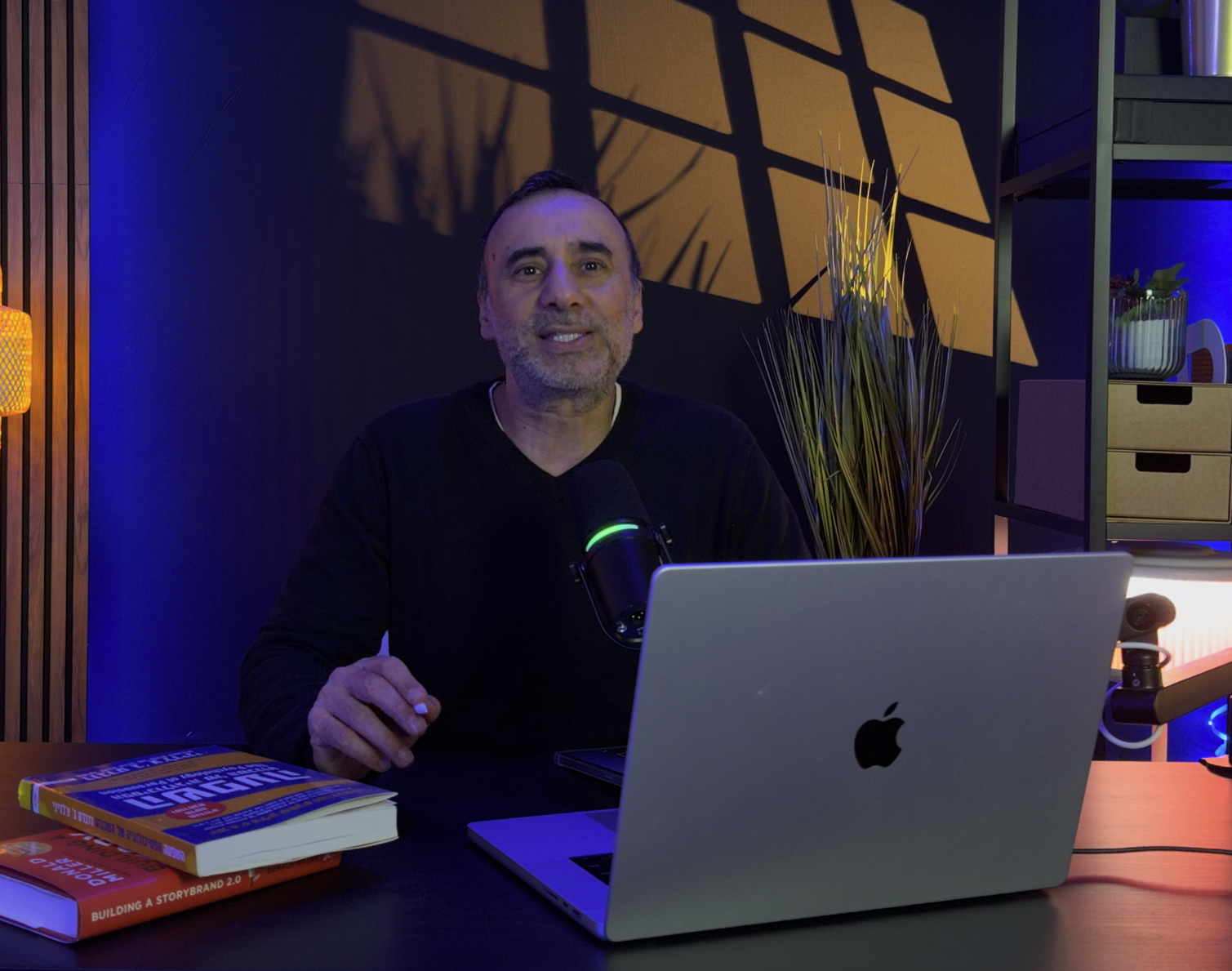
Founder & CEO of AuthorityRank - Building AI-powered tools that help brands get cited by LLMs. Follow me on LinkedIn.
Related Reading
- Search Everywhere Optimization: How Off-Site Brand Signals Drive AI Answer Engine Dominance Without Traditional SEO Rankings
- SEO in 2026: Mastering Search Everywhere Optimization Across AI Platforms and Traditional Engines
- Digital PR and Authority Building in the Age of AI Search: Advanced Citation Strategies for LLM Visibility
- The 2026 SEO Command Center: How AI Workflows and Multi-Platform Distribution Dominate Search Rankings
References & Further Reading
Be cited by every generative search.
While your competitors update their blog monthly, AuthorityRank ingests the newest podcasts and YouTube uploads in your niche every day and turns each insight into a ranked article on your site, within hours of the original drop. ChatGPT, Perplexity, and Google AI Overviews start treating your brand as the niche authority.
See how it works →רוצים ש-ChatGPT ו-Perplexity ימליצו על המותג שלכם?
מערכת AuthorityRank מנטרת את אזכורי המותג שלכם במנועי תשובות AI, הופכת את ערוץ היוטיוב שלכם למאמרי סמכות ומגדילה את ה-Share of Voice ב-AI Search.
לסריקת AI Visibility חינמית באתר ➔