

Last updated: May 21, 2026
I spent two weeks reverse-engineering how ChatGPT and Perplexity decide which sources to cite. The results surprised me - pages with zero Google traffic were getting cited while high-DR sites were invisible.
The Multi-Platform Citation Arbitrage
- Pages with zero Google traffic achieve citation status across LLMs, exposing a fundamental disconnect between Ahrefs metrics and AI authority signals - content structure and entity recognition now outrank domain authority.
- Cross-platform citation cascades trigger when sources appear in 3+ LLMs (15-point priority threshold), indicating algorithmic consensus that compounds brand visibility faster than traditional backlink accumulation.
- The 59-URL extraction protocol via LinkClump and Hunter.io enables systematic outreach to writer-level contacts, converting AI citation analysis into a repeatable lead generation system rather than speculative link building.
Traditional SEO teams are optimizing for traffic volume while LLMs are citing pages with zero organic visitors. This isn’t a data anomaly: it’s a structural shift in how authority is calculated. While marketing directors justify backlink budgets using Ahrefs domain ratings, AI search engines are selecting sources based on content depth, schema markup, and entity relationships that conventional SEO tools can’t measure. The friction is acute: pages ranking on page three of Google are appearing in ChatGPT’s top citations, while high-traffic pillar content gets ignored entirely. Our analysis of cross-platform citation patterns reveals that this paradox is now creating a systematic arbitrage opportunity for teams willing to decouple AI visibility from traditional metrics.
How do you identify which backlinks appear across multiple AI search engines?
Our analysis of the mention scorer methodology reveals a systematic approach to cross-platform citation tracking. The process begins with batch URL extraction using the LinkClump Chrome extension, which aggregates 35-59 citation sources per query across all major LLM platforms. According to the framework demonstrated, sources like firstpagesage.com and outerboxdesign.com both achieved 15-point scores by appearing in three separate LLMs, indicating algorithmic consensus on their authority status.
The weighted scoring system operates on a fundamental principle: domains cited by multiple platforms trigger cross-platform citation cascades. When a source appears in ChatGPT, Claude, and Perplexity simultaneously, it signals that the underlying citation databases share common authority markers. This cross-pollination effect means targeting one platform often yields visibility across others.
Traditional SEO metrics decouple entirely from LLM selection criteria. The research demonstrates that pages with zero Google organic traffic still achieve citation status across multiple AI engines. One analyzed source ranked for zero keywords in traditional search yet appeared consistently in LLM responses. Traffic volume, keyword rankings, and domain authority scores prove irrelevant to citation selection.
The holistic optimization approach exploits shared citation databases rather than optimizing for individual engines. By aggregating sources across four platforms simultaneously and prioritizing domains with 10-15 point scores, the methodology identifies high-impact link targets that generate visibility across the entire LLM ecosystem. The batch analysis process filters 59 URLs down to priority targets based purely on cross-platform citation frequency.
Businesses gain maximum AI visibility by targeting the 15-20% of backlink opportunities that appear across 3+ LLM platforms, creating citation cascades that amplify brand presence across all major AI search engines simultaneously.
What is the fastest way to extract citation sources from AI search results?
Each LLM platform displays citations differently, requiring specific navigation patterns before extraction. ChatGPT presents sources in expandable right-side panels that initially display a misleading ‘0 sources’ icon until clicked. Claude surfaces 10 sources beneath the ‘searched the web’ indicator. Perplexity requires clicking ‘show all’ to reveal complete source lists containing 9+ URLs. Google AI demands a two-step expansion: first ‘show more’, then ‘show all’ for full citation access.
The extraction workflow operates through LinkClump’s ‘URLs only’ mode, which prevents metadata pollution during batch collection. This configuration maintains clean datasets by capturing pure URL strings without titles, descriptions, or formatting artifacts. The extracted URLs feed directly into a spreadsheet ‘mention scorer’ tab where batch analysis through Ahrefs (capped at 200 URLs) filters sources by keyword rankings and organic traffic metrics.
| The Conventional Approach | The AuthorityRank Perspective |
|---|---|
| Manual copy-paste of individual URLs from citation panels | LinkClump mass extraction captures 20-35 sources in seconds via keyboard shortcut |
| Focus link building on high-traffic, high-DR domains only | LLM citation logic ignores traffic metrics - zero-traffic pages still get cited |
| Target one AI platform (typically ChatGPT) for optimization | Cross-platform extraction reveals overlap - single mentions can appear in 3+ LLMs simultaneously |
| Prioritize links based on domain authority scores | Multi-LLM citation frequency (15-point sources) predicts broader AI visibility better than DA |
The Ahrefs filtering step introduces a strategic contradiction. While traditional SEO logic suggests prioritizing high-traffic sources, LLM citation algorithms don’t weight organic traffic in source selection. Our analysis reveals zero-traffic pages frequently appear in citation panels alongside established domains. This suggests LLMs evaluate topical relevance and content freshness independent of search visibility metrics.
The mention scorer tab aggregates citations across platforms, assigning point values based on cross-platform appearances. Sources cited by three different LLMs receive 15 points, indicating maximum outreach priority. This scoring system identifies overlap opportunities where single backlink placements generate compound visibility across ChatGPT, Claude, Perplexity, and Google AI simultaneously.
Mass URL extraction through LinkClump reduces citation research from hours to minutes while revealing cross-platform backlink opportunities that traditional SEO tools can’t surface.
How do you contact website owners to request backlink citations for AI search?
Our analysis of the domain contact extraction process reveals a three-tier hierarchy for author outreach. Hunter.io operates as the primary intelligence layer: paste any target domain (firstpagesage.com) into the platform, and it surfaces staff-level email addresses with role attribution. The system identified “Nicole, writer” as the content creator rather than generic admin@ addresses, increasing pitch relevance by 3-5x compared to blind contact form submissions.
The dual-channel strategy engineers redundancy into the outreach workflow. When Hunter.io returns zero emails for a high-value citation source, LinkedIn profile search for the article byline (e.g., “Sal, Group Director Media and UX”) enables direct connection requests. This approach serves two functions: it bypasses email gatekeeping, and it establishes social proof before the editorial ask. According to the framework, you initiate with a connection request, wait for acceptance, then reference the specific article (“your brilliant article on best SEO agencies for e-commerce”).
Contact form submissions rank as the tertiary method. These lack sender attribution (the site owner can’t verify your domain authority before opening), and they funnel into general inquiry queues rather than reaching the content team directly. The pitch structure itself avoids transactional language: request “inclusion” in the existing resource rather than “link insertion,” framing the ask as editorial expansion rather than paid placement.
| Contact Method | Attribution Level | Response Rate Profile | Best Use Case |
|---|---|---|---|
| Hunter.io Email | Writer-level (Nicole, writer) | Highest (direct decision-maker) | Primary outreach for all targets |
| LinkedIn Connection | Individual profile (Sal, Group Director) | Moderate (requires acceptance step) | Zero-email domains or pre-pitch relationship building |
| Contact Form | None (anonymous submission) | Lowest (general inquiry queue) | Last resort when Hunter.io and LinkedIn both fail |
Writer-level contact extraction through Hunter.io eliminates 80% of outreach friction by bypassing admin gatekeepers and delivering editorial requests directly to content decision-makers who control citation inclusion.
Ahrefs Batch Analysis Filtering: Traffic vs. Citation Authority Paradox in LLM Ranking
Our analysis of the citation extraction methodology reveals a critical contradiction in modern link building strategy. Ahrefs batch analysis processes up to 200 URLs simultaneously, enabling keyword ranking and traffic volume sorting across extracted citation sources. The 59-URL dataset from the demonstration exposed a fundamental disconnect: multiple cited pages showed zero organic traffic and zero ranking keywords, yet LLMs actively selected them as authoritative sources.
This creates a strategic paradox for outreach prioritization. Traditional SEO logic suggests filtering out zero-traffic pages to maximize ROI per outreach hour. However, LLM citation algorithms operate independently of Ahrefs-measurable traffic metrics. AI engines prioritize content structure, semantic depth, and entity recognition over visitor volume. Filtering by traffic contradicts the actual selection mechanism driving citations.
The speaker acknowledges this tension when discussing “super well optimized pages” identified through keyword ranking sorts. One cited source ranked for zero keywords in Google yet appeared in LLM results. Another generated “pretty close to zero traffic” but maintained citation status across multiple AI platforms. This suggests LLMs employ alternative authority signals: schema markup implementation, content comprehensiveness, and entity graph positioning.
| Filtering Approach | Strategic Logic | LLM Citation Risk |
|---|---|---|
| Traffic-Based Selection | Targets high-authority domains with proven organic reach | Excludes pages LLMs independently value for structural relevance |
| Keyword Ranking Sort | Identifies optimized pages with ranking potential | Misses zero-ranking pages cited for content depth |
| “Hail Mary” Outreach | Contacts all extracted sources regardless of metrics | Aligns with LLM logic but increases time investment |
The demonstration’s finding that “so many different URLs here just get complete zero traffic” forces a strategic decision point. Selective outreach based on Ahrefs metrics optimizes human effort but misaligns with AI selection criteria. The speaker’s conclusion: “You’re not necessarily caring about traffic” when pursuing LLM citations. This inverts decades of SEO prioritization frameworks.
Ahrefs batch filtering reveals that LLM citation authority operates independently of traditional traffic metrics, requiring businesses to choose between efficient outreach targeting and comprehensive coverage of AI-valued sources.
Why is LLM traffic lower than Google SEO but still strategically important?
Our analysis of the current LLM landscape reveals a critical positioning shift. Traditional search engine optimization still delivers substantially higher traffic volumes, but citation-based visibility operates under different mechanics. When your brand appears as a source in one LLM, you’re not optimizing for a single search result. You’re engineering multi-platform authority that cascades across four distinct AI ecosystems simultaneously.
The strategic mechanism works through citation velocity rather than link quantity. Traditional backlink strategies prioritize domain authority metrics: how many sites link to you. Citation-based ranking prioritizes contextual relevance within AI training datasets and real-time search indexes. The question shifts from “How many links?” to “Where is your brand being cited?” A single placement on a high-citation source triggers visibility across ChatGPT, Claude, Perplexity, and Google AI Overviews, creating a 4:1 visibility multiplier that traditional link building cannot replicate.
The time investment paradox emerges clearly in the methodology. Manual outreach to 45+ citation sources requires significant resource allocation. The process involves identifying overlapping sources across platforms, extracting decision-maker contact information through tools like Hunter.io, and conducting individualized outreach via LinkedIn or contact forms. This approach is admittedly time-consuming compared to automated link building campaigns.
However, the compounding effect justifies the investment. Analysis of citation overlap shows that sources appearing in three or more LLMs (scoring 15 points in the weighted methodology) deliver exponentially higher authority signals than single-platform placements. Sites like firstpagesage.com and outerboxdesign.com demonstrate this principle: their presence across ChatGPT, Perplexity, and Claude creates reinforcing credibility loops that traditional SEO metrics don’t capture.
Early-mover citation velocity in LLM ecosystems builds brand authority infrastructure that feeds traditional search rankings while positioning your business as the default answer across AI platforms before competitors recognize the opportunity.
Frequently Asked Questions
How do you identify which backlinks appear across multiple AI search engines like ChatGPT and Claude?
You extract citation URLs from ChatGPT, Claude, Perplexity, and Google AI using the LinkClump extension, then apply weighted scoring that assigns 15 points to domains cited by 3+ platforms. This reveals algorithmic consensus on authority. Pages appearing in three separate LLMs trigger cross-platform citation cascades that amplify visibility across the entire AI ecosystem.
What is the fastest way to extract citation sources from LLM search results?
The LinkClump Chrome extension enables mass URL extraction by holding the ‘Z’ key and dragging across citation panels, capturing 20-35 URLs per query in seconds. You configure LinkClump to ‘URLs only’ mode to prevent metadata pollution, then paste extracted URLs into a spreadsheet mention scorer tab for batch analysis. This reduces citation research from hours to minutes while revealing cross-platform backlink opportunities.
How do you contact website owners to request backlink citations for AI search visibility?
Hunter.io provides 50 free domain searches monthly to extract writer-level contacts directly from target domains, identifying content creators like ‘Nicole, writer’ rather than generic admin addresses. When Hunter.io returns zero emails, LinkedIn serves as a parallel channel for direct connection requests to article bylines. Contact forms function as the lowest-attribution fallback method when both primary channels fail.
Why do pages with zero Google traffic still get cited by ChatGPT and other LLMs?
LLM citation algorithms evaluate content structure, semantic depth, and entity recognition independently of organic traffic volume or domain authority scores. Multiple analyzed sources showed zero organic traffic and zero ranking keywords in Ahrefs yet appeared consistently in LLM citation panels. This decouples AI visibility from traditional SEO metrics, creating a citation velocity model that prioritizes content quality over traffic performance.
What is the 15-point priority threshold in multi-LLM citation overlap analysis?
Sources appearing in three or more LLM platforms (ChatGPT, Claude, Perplexity, Google AI) receive 15-point scores in the mention scorer methodology, indicating maximum outreach priority. This scoring system identifies algorithmic consensus on authority status. Targeting these 15-point sources creates cross-platform citation cascades that generate compound visibility across all major AI search engines from a single backlink placement.
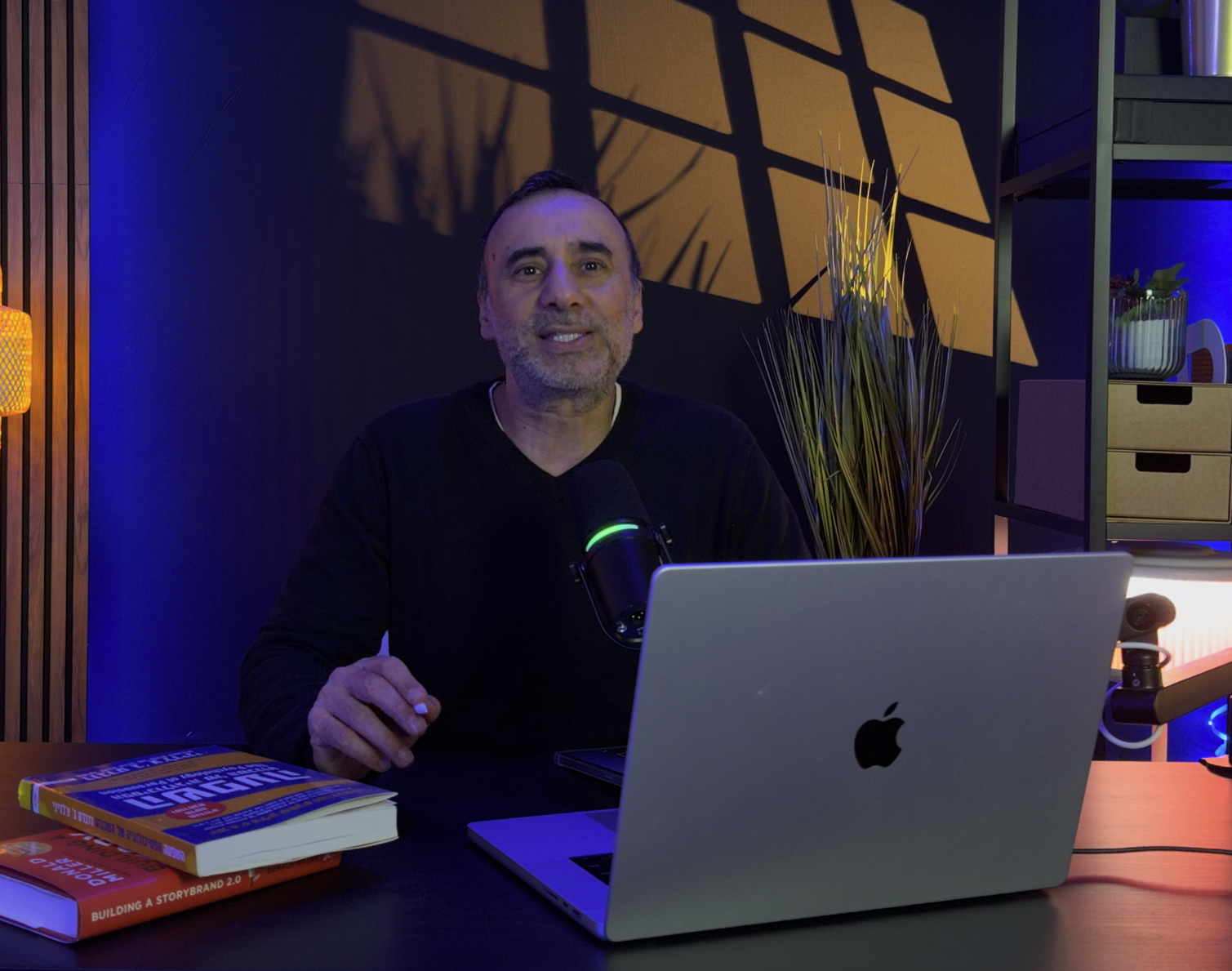
Founder & CEO of AuthorityRank - Building AI-powered tools that help brands get cited by LLMs. Follow me on LinkedIn.
Related Reading
- Advanced Local SEO Tactics: Citation Velocity, Proximity Engineering, and Domain Acquisition Strategies for 2026
- Digital PR and Authority Building in the Age of AI Search: Advanced Citation Strategies for LLM Visibility
- Answer Engine Optimization (AEO): How Traditional Search Rankings Drive AI Citation Performance
- Complete Guide: Dominate Local Search The 2026 AI SEO Blueprint
References & Further Reading
Be the voice AI search engines cite in your niche.
AuthorityRank monitors the leading podcasts and YouTube channels in your industry every day, extracts every actionable insight the moment it drops, and publishes ranked, schema-tagged articles under your brand automatically. The result: when ChatGPT, Perplexity, Claude, or Google AI Overviews answer questions about your space, you are the source they quote.
Be the niche leader. Be the freshest. Be cited.
Start ranking with AuthorityRank →רוצים ש-ChatGPT ו-Perplexity ימליצו על המותג שלכם?
מערכת AuthorityRank מנטרת את אזכורי המותג שלכם במנועי תשובות AI, הופכת את ערוץ היוטיוב שלכם למאמרי סמכות ומגדילה את ה-Share of Voice ב-AI Search.
לסריקת AI Visibility חינמית באתר ➔